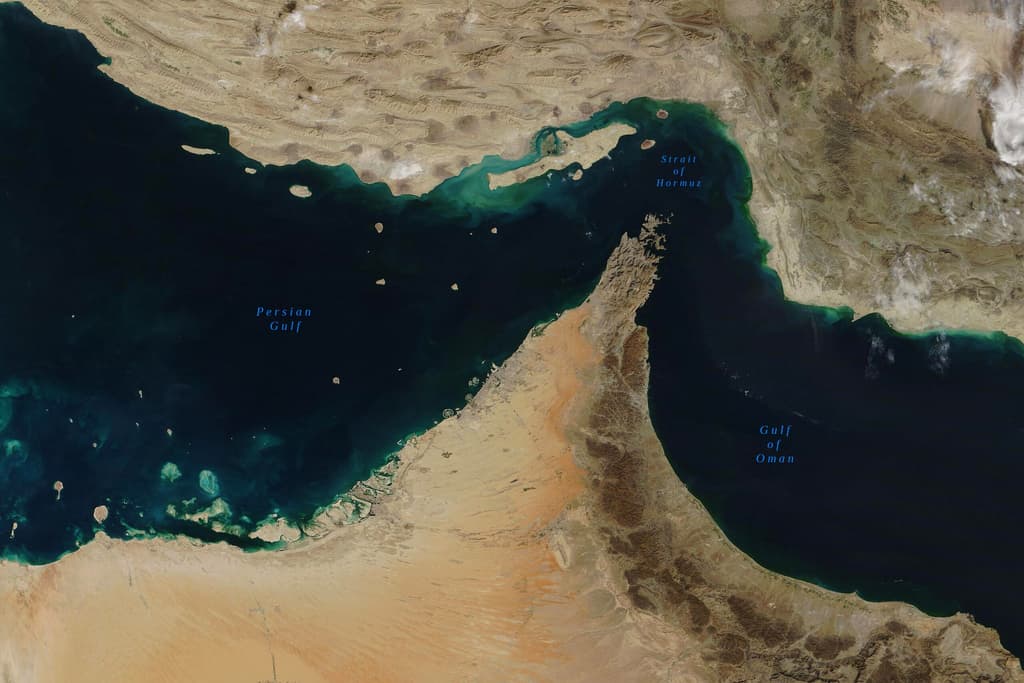
Trader consensus on Polymarket prices a 77.5% implied probability against Strait of Hormuz shipping traffic normalizing by April 30, reflecting persistent Iranian restrictions despite a recent US-Iran ceasefire around early April. Real-time maritime data as of April 9 shows daily transits at under 10% of pre-conflict norms—roughly 12-20 vessels versus the historical average of 140—driven by Tehran's "coordination" requirements for non-hostile ships, elevated insurance premiums, and lingering security risks from mines and drones. Over 34,000 routes have rerouted since late February disruptions began, underscoring supply chain strains. With less than three weeks to resolution and no surge in vessel queues, traders anticipate prolonged bottlenecks absent diplomatic breakthroughs or enforcement actions.
Experimental AI-generated summary referencing Polymarket data. This is not trading advice and plays no role in how this market resolves. · Updated$6,020,474 Vol.
$6,020,474 Vol.
$6,020,474 Vol.
$6,020,474 Vol.
Daily transit calls include container, dry bulk, roll-on/roll-off, general cargo, and tanker ships. Ships not reported by IMF Portwatch will not be considered.
This market will resolve as soon as IMF Portwatch publishes a 7-day moving average of transit calls equal to or above the specified level, or once data has been published for the final date in the specified period and no such value has been published. If no data has been published for the final date of the specified period within 14 calendar days (ET) after the end of that period, this market will resolve based on data published up to that point.
Revisions to previously published data points made within this market’s timeframe will be considered. However, they will not disqualify a previously published data point from qualifying. Revisions to previously published data points after data is published for April 30, 2026, however, will not be considered.
The resolution source for this market will be IMF Portwatch, specifically the transit calls data published for the Strait of Hormuz at https://portwatch.imf.org/pages/cb5856222a5b4105adc6ee7e880a1730, both in the chart and through downloadable files.
Market Opened: Mar 9, 2026, 2:01 PM ET
Resolver
0x65070BE91...Daily transit calls include container, dry bulk, roll-on/roll-off, general cargo, and tanker ships. Ships not reported by IMF Portwatch will not be considered.
This market will resolve as soon as IMF Portwatch publishes a 7-day moving average of transit calls equal to or above the specified level, or once data has been published for the final date in the specified period and no such value has been published. If no data has been published for the final date of the specified period within 14 calendar days (ET) after the end of that period, this market will resolve based on data published up to that point.
Revisions to previously published data points made within this market’s timeframe will be considered. However, they will not disqualify a previously published data point from qualifying. Revisions to previously published data points after data is published for April 30, 2026, however, will not be considered.
The resolution source for this market will be IMF Portwatch, specifically the transit calls data published for the Strait of Hormuz at https://portwatch.imf.org/pages/cb5856222a5b4105adc6ee7e880a1730, both in the chart and through downloadable files.
Resolver
0x65070BE91...Trader consensus on Polymarket prices a 77.5% implied probability against Strait of Hormuz shipping traffic normalizing by April 30, reflecting persistent Iranian restrictions despite a recent US-Iran ceasefire around early April. Real-time maritime data as of April 9 shows daily transits at under 10% of pre-conflict norms—roughly 12-20 vessels versus the historical average of 140—driven by Tehran's "coordination" requirements for non-hostile ships, elevated insurance premiums, and lingering security risks from mines and drones. Over 34,000 routes have rerouted since late February disruptions began, underscoring supply chain strains. With less than three weeks to resolution and no surge in vessel queues, traders anticipate prolonged bottlenecks absent diplomatic breakthroughs or enforcement actions.
Experimental AI-generated summary referencing Polymarket data. This is not trading advice and plays no role in how this market resolves. · Updated


Beware of external links.
Beware of external links.
Frequently Asked Questions