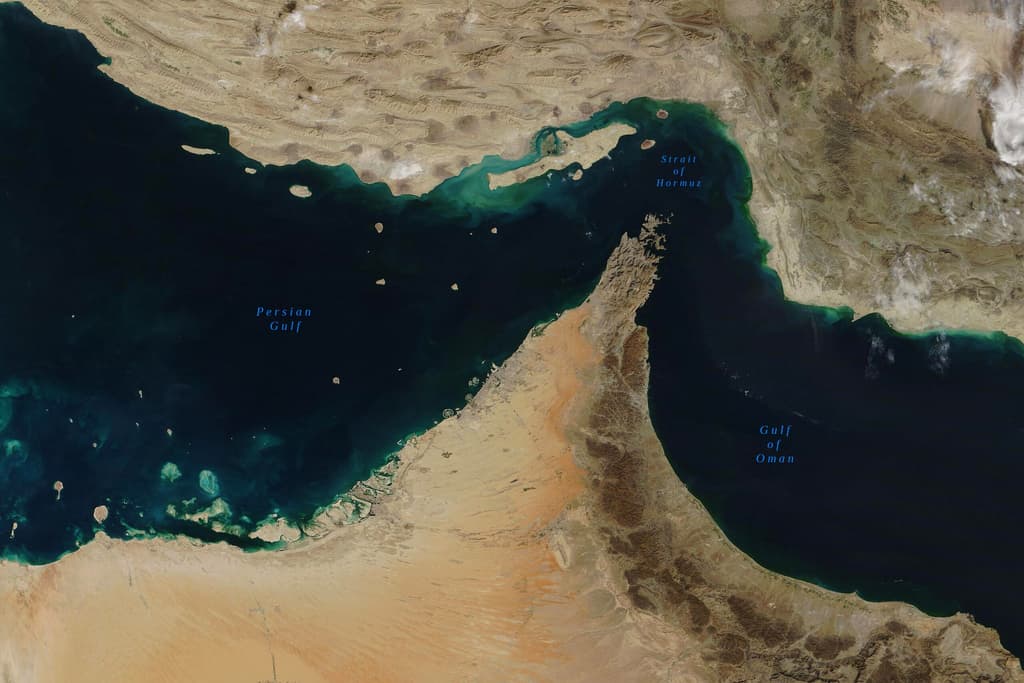
Trader consensus on the Polymarket favors severely restricted ship transits through the Strait of Hormuz at the end of April, with 0-10 ships averaging 36.5% implied probability and 10-20 at 13.6%, reflecting persistent low traffic despite a fragile US-Iran ceasefire announced April 7. Ship-tracking data shows just seven vessels passing in the 24 hours to April 9—versus a normal 100-140 daily—amid Iranian Revolutionary Guard Navy controls, selective permissions for certain nations like China, and shipping firms' caution over insurance risks and unclear safe passage protocols. Recent IRGC warnings to adhere to designated lanes, coupled with no mass resumption post-ceasefire, outweigh hopes for normalization, though diplomatic talks and US threats could spur limited increases toward 60+ (12.5%). Upcoming negotiations remain key uncertainty.
Experimental AI-generated summary referencing Polymarket data. This is not trading advice and plays no role in how this market resolves. · UpdatedAvg. # of ships transiting Strait of Hormuz end of April?
Avg. # of ships transiting Strait of Hormuz end of April?
0-10 37%
10-20 15.7%
60+ 13%
30-40 9.0%
$87,930 Vol.
$87,930 Vol.
0-10
37%
10-20
13%
20-30
6%
30-40
9%
40-50
5%
50-60
8%
60+
13%
0-10 37%
10-20 15.7%
60+ 13%
30-40 9.0%
$87,930 Vol.
$87,930 Vol.
0-10
37%
10-20
13%
20-30
6%
30-40
9%
40-50
5%
50-60
8%
60+
13%
Transit calls include container, dry bulk, roll-on/roll-off, general cargo, and tanker ships. Ships not reported by IMF Portwatch will not be considered.
This market will resolve as soon as data for the specified date has been published. If no data for the specified date has been published by May 14, 2026, 11:59 PM ET, this market will resolve based on data for the most recent date prior to April 30, 2026, for which data is available.
This market will resolve based on the first publication of data for April 30, 2026. Any subsequent revisions will not be considered.
If the reported value falls exactly between two brackets, this market will resolve to the higher range bracket.
The resolution source for this market will be IMF Portwatch, specifically the transit calls data published for the Strait of Hormuz at https://portwatch.imf.org/pages/cb5856222a5b4105adc6ee7e880a1730, both in the chart and through downloadable files.
Market Opened: Mar 24, 2026, 1:00 PM ET
Resolver
0x69c47De9D...Transit calls include container, dry bulk, roll-on/roll-off, general cargo, and tanker ships. Ships not reported by IMF Portwatch will not be considered.
This market will resolve as soon as data for the specified date has been published. If no data for the specified date has been published by May 14, 2026, 11:59 PM ET, this market will resolve based on data for the most recent date prior to April 30, 2026, for which data is available.
This market will resolve based on the first publication of data for April 30, 2026. Any subsequent revisions will not be considered.
If the reported value falls exactly between two brackets, this market will resolve to the higher range bracket.
The resolution source for this market will be IMF Portwatch, specifically the transit calls data published for the Strait of Hormuz at https://portwatch.imf.org/pages/cb5856222a5b4105adc6ee7e880a1730, both in the chart and through downloadable files.
Resolver
0x69c47De9D...Trader consensus on the Polymarket favors severely restricted ship transits through the Strait of Hormuz at the end of April, with 0-10 ships averaging 36.5% implied probability and 10-20 at 13.6%, reflecting persistent low traffic despite a fragile US-Iran ceasefire announced April 7. Ship-tracking data shows just seven vessels passing in the 24 hours to April 9—versus a normal 100-140 daily—amid Iranian Revolutionary Guard Navy controls, selective permissions for certain nations like China, and shipping firms' caution over insurance risks and unclear safe passage protocols. Recent IRGC warnings to adhere to designated lanes, coupled with no mass resumption post-ceasefire, outweigh hopes for normalization, though diplomatic talks and US threats could spur limited increases toward 60+ (12.5%). Upcoming negotiations remain key uncertainty.
Experimental AI-generated summary referencing Polymarket data. This is not trading advice and plays no role in how this market resolves. · Updated
Beware of external links.
Beware of external links.
Frequently Asked Questions